

Two pathways to organizational growth
Axosomatic helps organizations improve performance and execution while advancing sustainability and accountability. The work connects AI, GHG/ESG reporting, strategic planning, and quality assurance into one practical improvement system.
Pathway One
Strengthen performance and execution
Improve how your organization plans, decides, and delivers. We connect strategy, data, quality, and operational improvement so performance becomes more visible, disciplined, and scalable.
- AI integration tied to real priorities
- Strategic planning and performance systems
- Quality assurance and institutional effectiveness
Pathway Two
Advance sustainability and accountability
Turn sustainability into measurable action. We help organizations assess emissions, build credible reporting, and strengthen accountability through systems that support better decisions and stronger trust.
- GHG emissions reporting and reduction insight
- ESG reporting frameworks and evidence systems
- Building life cycle assessment for better design decisions
Solutions built for real-world impact
Every solution is connected. AI strategy informs sustainability reporting, sustainability evidence strengthens planning, and quality assurance reinforces execution.
01
AI Agents
Identify high-value use cases, assess readiness, and deploy practical AI solutions with clear business value.
Learn More →02
Strategic Planning
Design strategy maps, objectives, key results, and improvement systems that connect priorities to disciplined execution.
Learn More →03
Quality Assurance
Strengthen quality systems, accreditation, and continuous improvement across educational and institutional operations.
Learn More →04
GHG Emissions Reporting
Measure emissions accurately, identify reduction opportunities, and turn carbon data into operational and strategic insight.
Learn More →05
ESG Reporting and Disclosure
Build credible reporting, practical frameworks, and stronger accountability aligned with international expectations.
Learn More →06
Building Life Cycle Assessment
Assess embodied and operational carbon across the building life cycle to support better design and investment decisions.
Learn More →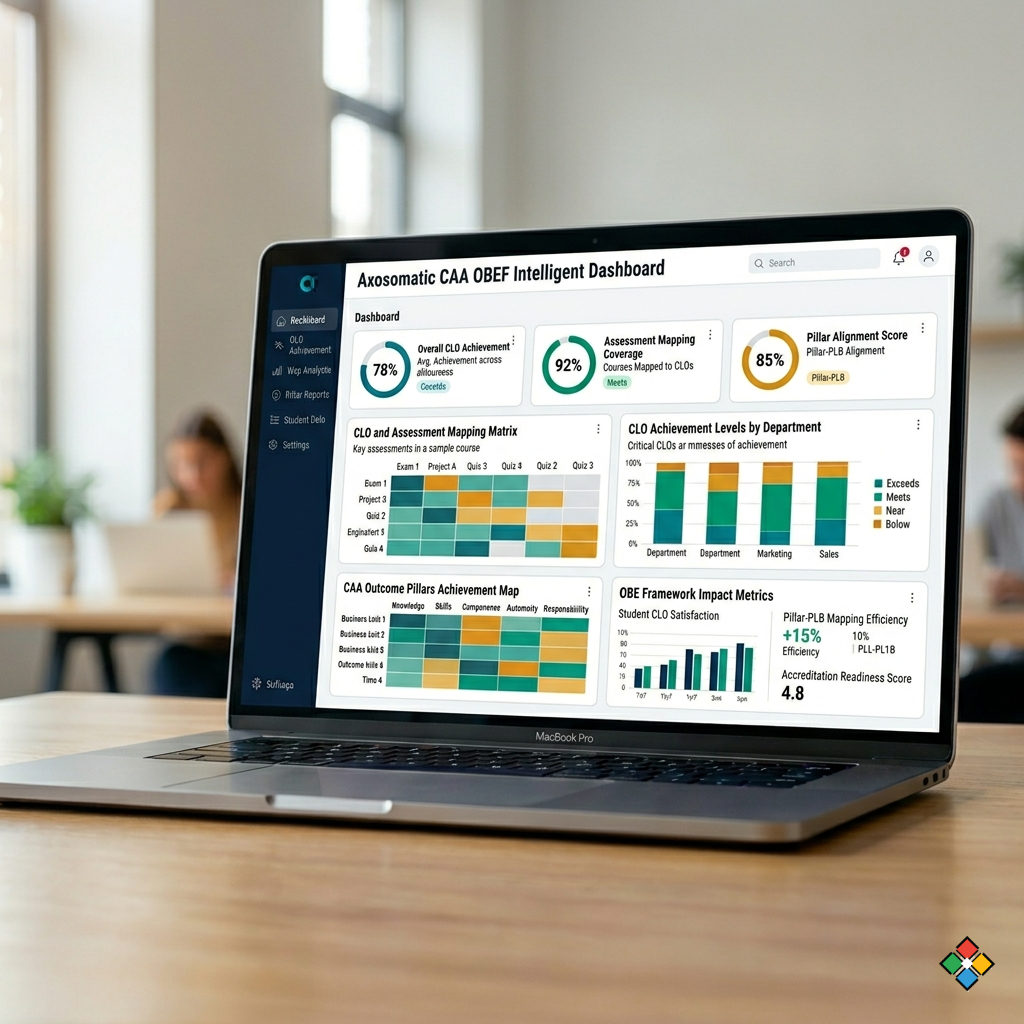
CAA OBEF Intelligent Suite
The CAA shifted compliance from documents to data and outcomes. With Axosomatic intelligent suite, UAE universities move from scattered data to effective CAA OBEF compliance, through eight connected modules covering audit, mapping, assessment, governance, dashboards, future skills, training, and ongoing support.
- Assessment audit
- Outcome mapping
- Assessment review
- Evidence governance
- Dashboard analytics
- Ongoing support
Sustainability as an operating layer
We connect strategy, governance, emissions, disclosure, data, and improvement so sustainability shapes how the organization plans, decides, and performs—not only how it reports.
Explore the Sustainability Framework → Explore Implementation →Built for sectors where complexity matters
We tailor our work to the strategic, operational, regulatory, and evidence realities of the sectors we serve.
 Education
Schools, colleges, and universities
Support in quality assurance, accreditation, sustainability, strategic planning, student success, and institutional transformation.
View Education → Business
Private sector and enterprise
Practical consulting for organizations seeking stronger performance, AI adoption, sustainability action, and better decision systems.
View Business → Government
Public institutions and strategic bodies
Advisory support for policy execution, accountability, sustainability, and long-term organizational capability.
View Government →Evidence that the work delivers
Axosomatic is built around measurable outcomes. The work is designed to improve performance, strengthen evidence, and convert strategy into visible progress.
See How We WorkAchieved across three selected clients.
Connected across AI, sustainability, strategy, and quality rather than delivered in silos.
Designed for institutions and organizations operating across the region.
An integrated framework that reduces fragmentation
Axosomatic brings together capabilities that are usually separated across multiple firms: AI, sustainability, strategic planning, and quality assurance. That integration helps clients move faster, reduce fragmentation, and turn plans into measurable action.
About AxosomaticAI
Practical integration tied to real use cases, data reality, and measurable value.
Sustainability
Carbon footprint reporting, ESG, and building life cycle expertise grounded in data and action.
Strategic Planning
Clear planning systems that connect priorities, risks, execution, and disciplined review.
Quality Assurance
Disciplined frameworks that strengthen processes, accreditation, and continuous improvement.
Thinking that helps leaders act
Practical perspectives on AI, sustainability, and institutional performance, written for decision-makers who need clarity, not complexity.
 AI
AIFrom experimentation to business value
How organizations can move from scattered AI pilots to focused, measurable deployment.
Read More → Sustainability
Reporting that drives action
Why credible carbon and ESG reporting must lead to operational change, not just disclosure.
Read More →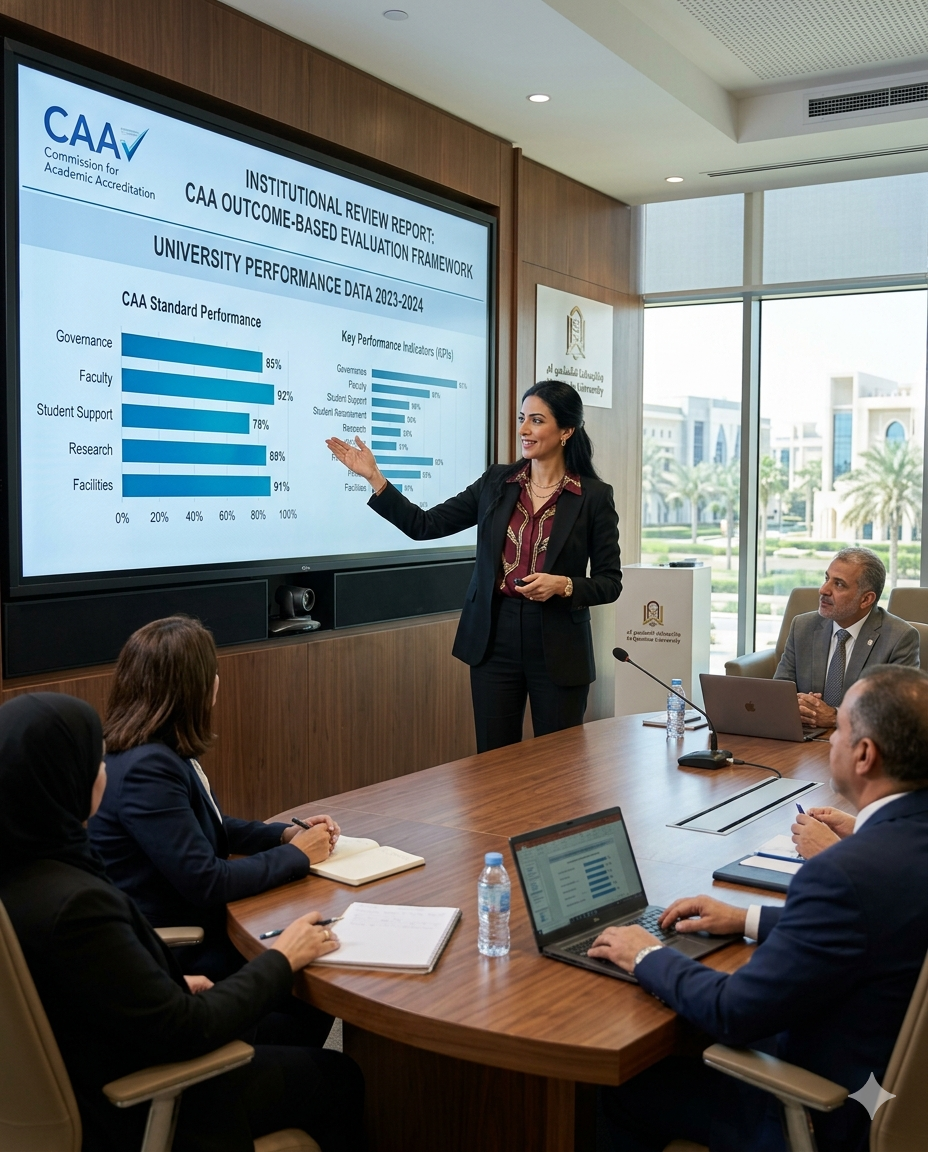 Quality
Quality systems that improve outcomes
How evidence, review cycles, and disciplined execution work together to strengthen institutional performance.
Read More →
Book a Consultation for the right solution
Tell us what your organization is planning to solve. We will help you identify the right solution, clarify the evidence needed, and define the practical next step.